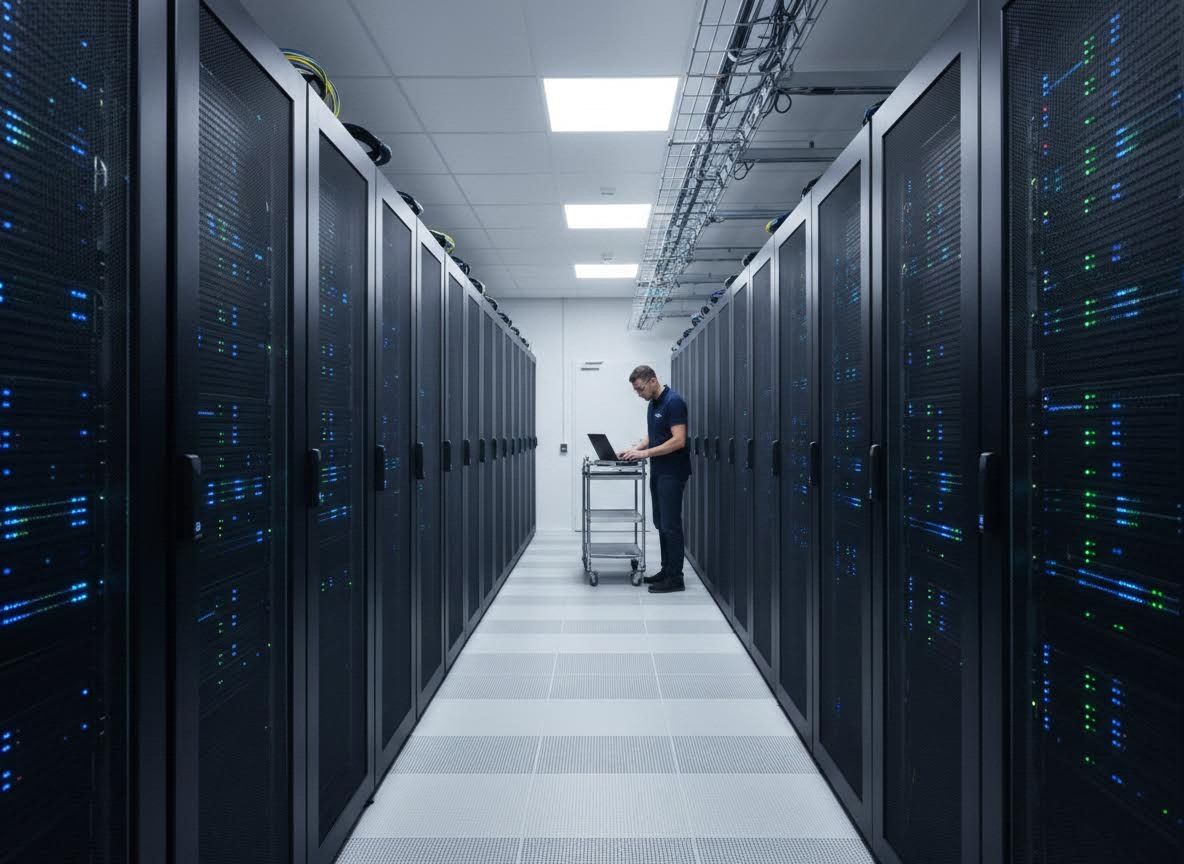
When corporate servers reach the end of their operational life, simply unplugging them is far from the final step. The journey a server takes after decommissioning is a complex process with significant implications for data security, environmental responsibility, and financial recovery. For businesses in the Mid-Atlantic Region, understanding this full lifecycle is crucial to protecting sensitive information and adhering to compliance standards. BPAI LLC has decades of experience guiding companies through this intricate process, ensuring peace of mind from start to finish. This article will outline the essential stages of a server's post-decommissioning journey.
The Critical First Step: Data Security and Destruction
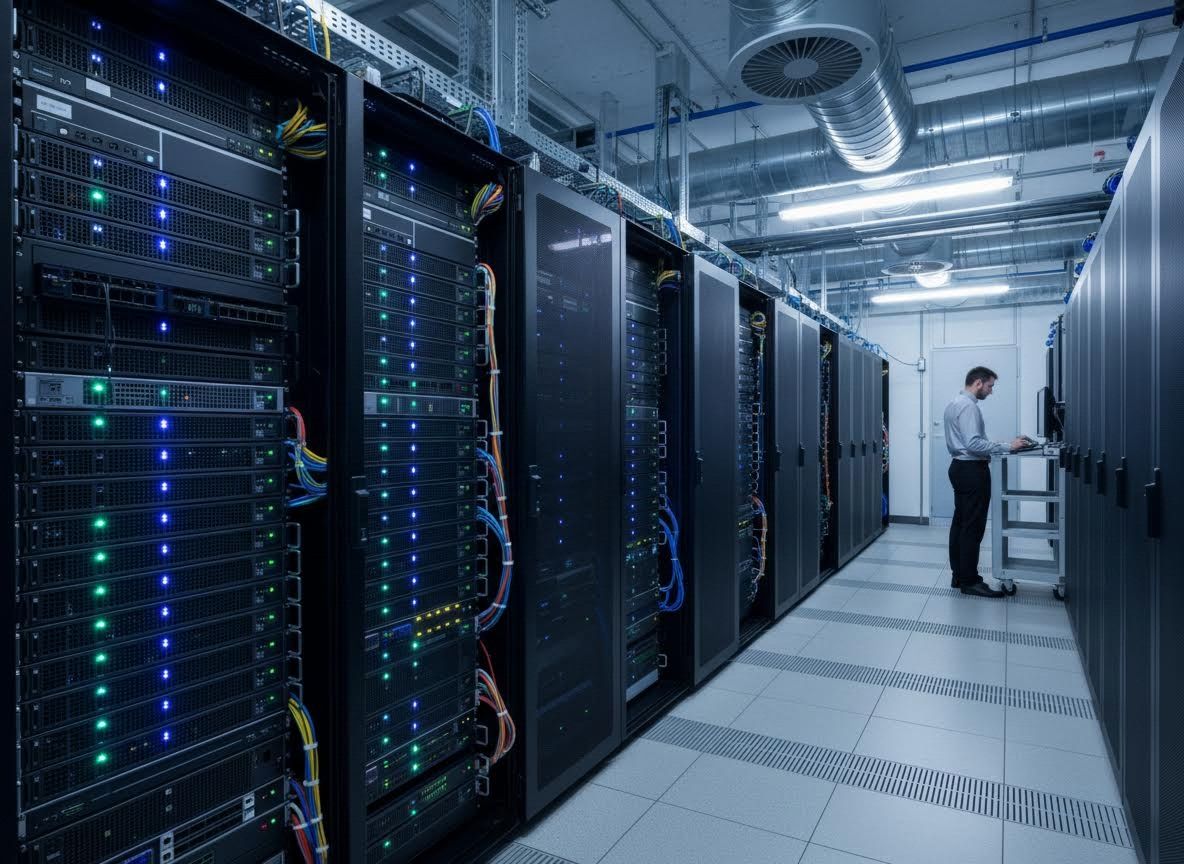
The immediate aftermath of decommissioning centers on one paramount concern: data security. Corporate servers often house vast amounts of sensitive company data, customer information, and intellectual property. Simply deleting files or reformatting a drive is insufficient; forensic data recovery techniques can often retrieve "deleted" information. Therefore, robust data sanitization is not just recommended, but imperative. This involves methods like overwriting data multiple times with specific patterns or degaussing (demagnetizing) drives. For the ultimate assurance, physical destruction of storage media is the most foolproof method.
Exploring Asset Recovery and Remarketing Opportunities
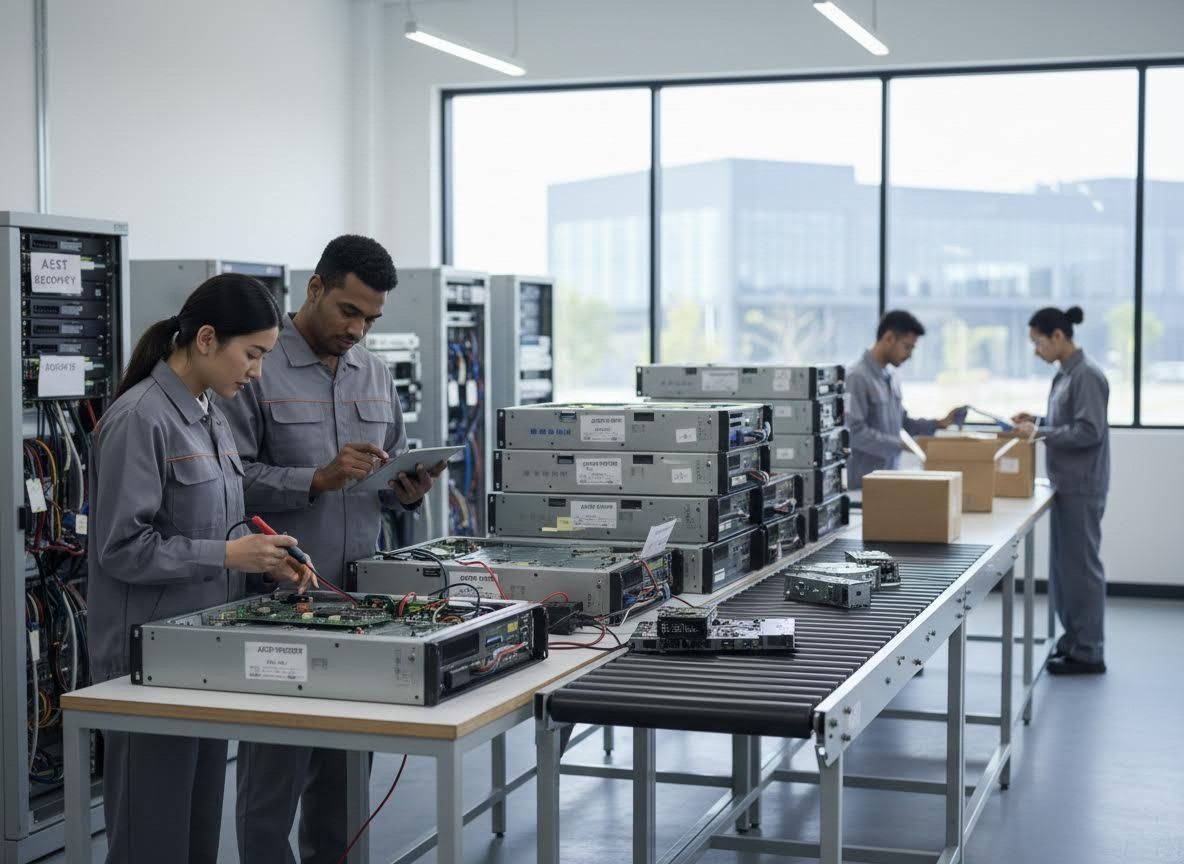
Not all decommissioned servers or their components are destined for destruction. Many pieces of networking equipment, server racks, and even certain server models still hold significant residual value. Businesses can recoup some of their initial investment through asset recovery and remarketing programs. This process typically involves thorough testing, refurbishment, and potential resale of functional equipment. Partnering with experienced networking equipment liquidators can streamline this process, ensuring equipment is evaluated accurately and marketed effectively to a secondary market. This approach not only provides a financial return but also extends the life cycle of valuable technology, contributing to a more sustainable circular economy.
Responsible E-waste Recycling and Environmental Stewardship
For equipment that has no resale value or cannot be repurposed, responsible disposal through e-waste recycling becomes the next critical phase. Electronics contain hazardous materials like lead, mercury, and cadmium, which can contaminate soil and water if improperly discarded in landfills. Therefore, it is vital to partner with a certified electronics recycling company that adheres to stringent environmental regulations and best practices. These specialists meticulously dismantle equipment, separating components into various material streams—metals, plastics, and circuit boards—for proper processing. Participating in e-waste recycling is a key component of corporate social responsibility, demonstrating a commitment to environmental protection and reducing the ecological footprint of technological advancements.
Understanding the full lifecycle of corporate servers after decommissioning is vital for any business navigating the complexities of IT asset disposition. From ensuring absolute data security to maximizing asset recovery and embracing environmentally sound recycling practices, each stage demands expert attention. BPAI LLC stands as a trusted, experienced partner, offering comprehensive solutions that protect your data, optimize your budget, and champion environmental sustainability throughout the entire process. To learn more about secure and responsible server decommissioning, contact us today.