
Mergers and acquisitions bring forth numerous strategic opportunities, but they also introduce complex operational challenges, particularly concerning the seamless integration and eventual disposal of IT assets from newly acquired facilities. Standardizing IT asset disposition (ITAD) is not merely a logistical task; it's a critical component of maintaining data security, ensuring regulatory compliance, and upholding environmental responsibility. With over 30 years of experience, BPAI LLC understands these intricacies and helps businesses navigate them efficiently.
Navigating the IT Asset Disposal Maze in M&A
Integrating a new business often means inheriting a disparate array of IT equipment, ranging from servers and workstations to mobile devices and networking infrastructure. Each acquired entity might have its own unique, or often non-existent, protocols for managing the end-of-life cycle of these assets. This lack of uniformity can create significant vulnerabilities. Without a standardized approach, companies face heightened risks of data breaches from improperly disposed devices, non-compliance with industry regulations, and inefficient use of resources. Moreover, simply tossing old equipment into a dumpster is not only environmentally irresponsible but also a missed opportunity for potential value recovery.

Prioritizing Data Security and Regulatory Compliance
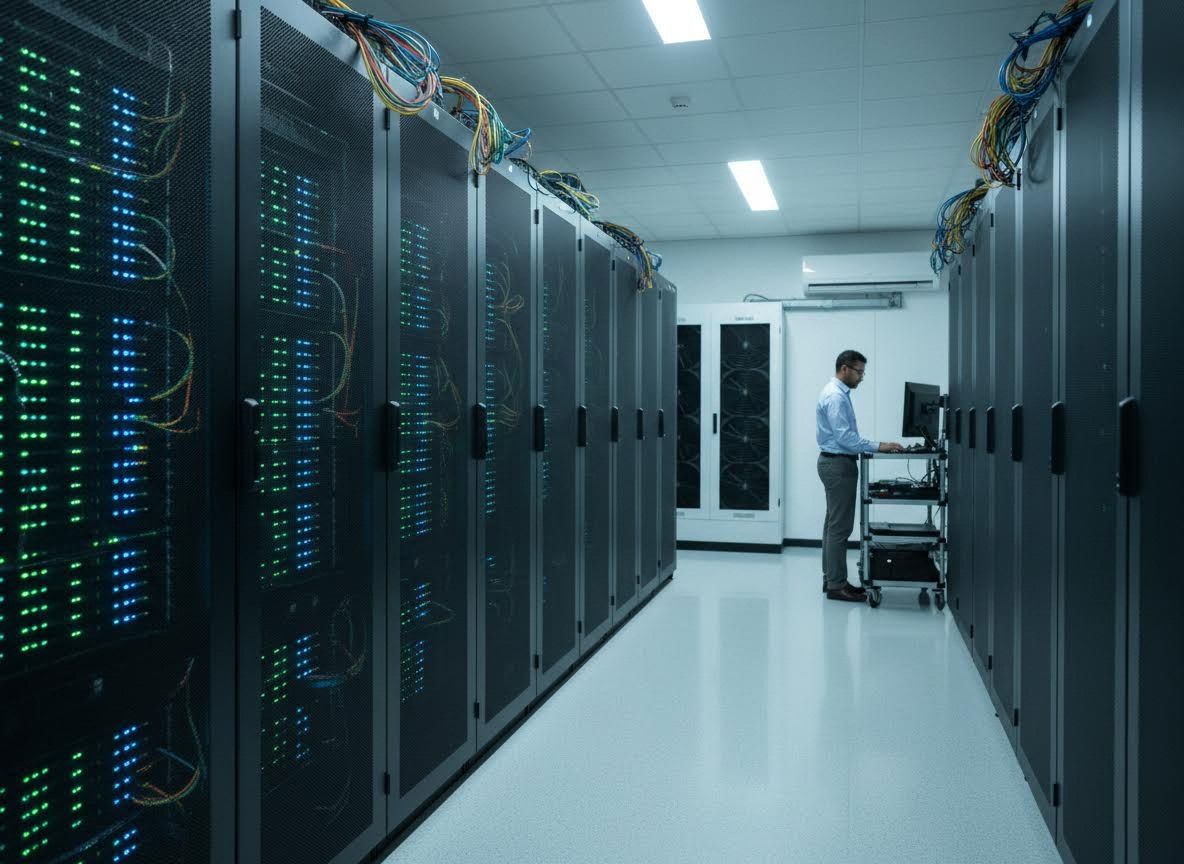
In an era where data is paramount, the secure destruction of sensitive information residing on decommissioned IT assets cannot be overstated. During M&A, consolidating data and phasing out redundant systems requires meticulous attention to data erasure and physical destruction. Adopting a unified policy across all entities ensures that every hard drive, solid-state drive, and data-bearing device is handled according to the highest security standards, regardless of its origin. This protects proprietary information, customer data, and intellectual property, safeguarding the acquiring company's reputation and avoiding costly legal repercussions. For businesses, finding a partner that specializes in secure data destruction in Baltimore ensures peace of mind and adherence to local and national guidelines.
Sustainable Practices and Maximizing Asset Value
Beyond security, standardization in IT asset disposal offers significant environmental and economic benefits. Improperly discarding electronic waste contributes to landfill pollution and can release hazardous materials into the environment. A consistent approach to e-waste recycling ensures that obsolete equipment is processed responsibly, minimizing ecological impact and supporting sustainability goals. Furthermore, many IT assets, even if no longer suitable for internal use, retain residual value. Engaging expert networking equipment liquidators can help recoup a portion of the original investment, offsetting disposal costs and contributing to the bottom line. This dual focus on environmental stewardship and financial prudence is a hallmark of responsible business operations. Partnering with a reputable electronics recycling company is key to achieving these objectives.
Partnering for a Secure and Sustainable Transition
Standardizing IT asset disposal is an indispensable strategy for any business undergoing mergers and acquisitions. It’s a proactive step that bolsters data security, ensures regulatory compliance, champions environmental responsibility, and optimizes financial outcomes across all newly integrated facilities. By implementing a consistent, expert-driven ITAD strategy, companies can navigate the complexities of M&A with confidence and integrity. BPAI LLC stands as a trusted, experienced partner, offering comprehensive solutions from secure data destruction to IT equipment recycling and asset liquidation. To learn more about how our tailored ITAD services can support your organization's post-acquisition success, contact us today.