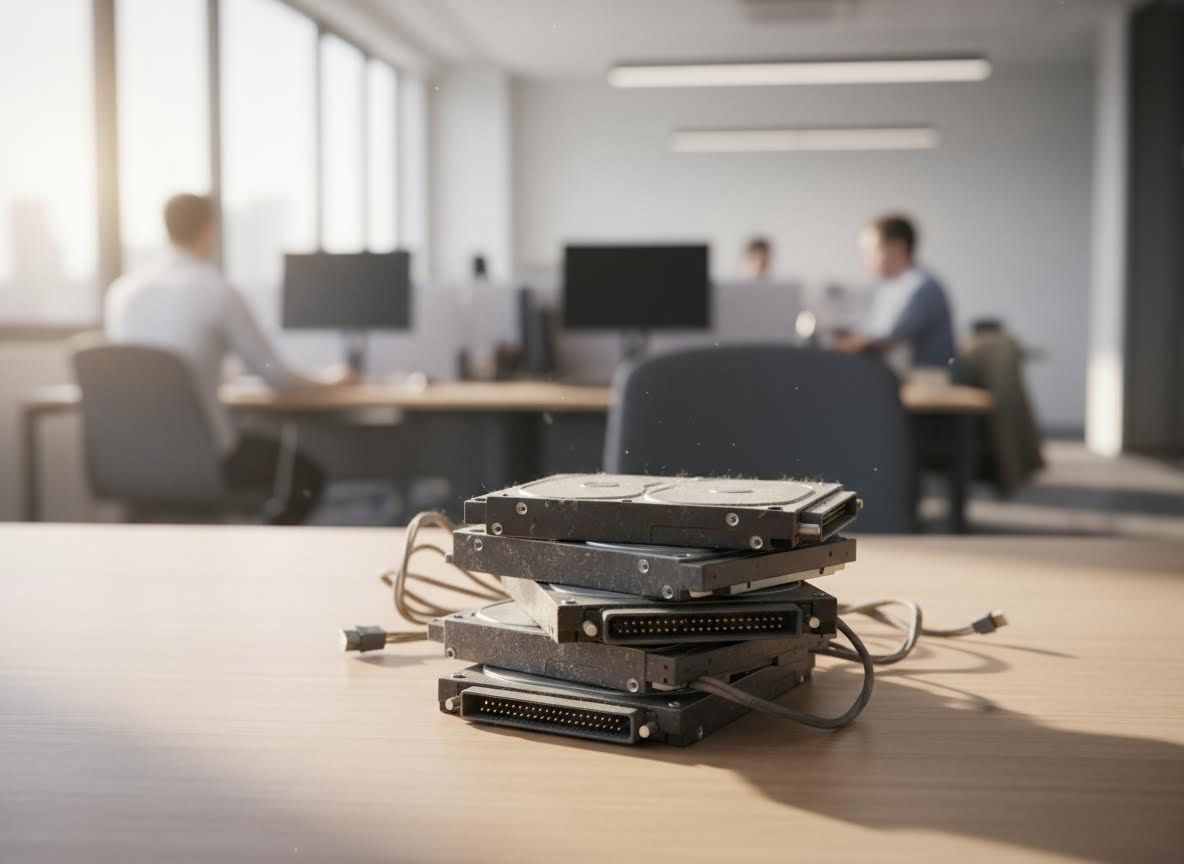
When sensitive data reaches end-of-life on physical hard drives, industrial shredding is often the most secure method for guaranteed destruction. However, once those drives are pulverized, a critical question remains for businesses: what happens to the resulting physical scrap metal? At BPAI LLC, we understand that responsible asset disposition extends beyond data obliteration to encompass comprehensive and environmentally sound materials management, ensuring both security and sustainability.
Beyond Data Erasure: Why Physical Destruction Matters
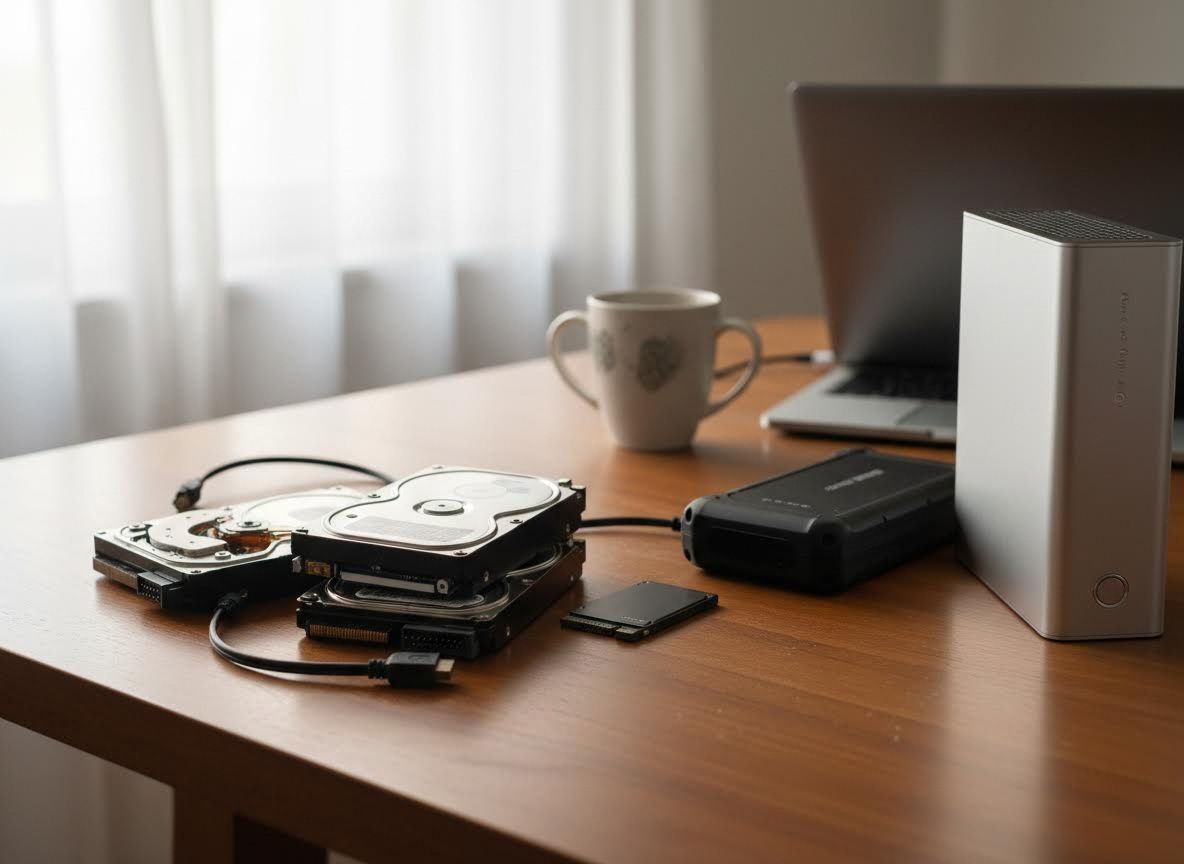
For businesses managing sensitive information, ensuring data is irretrievably gone is paramount. While software-based data wiping has its place, physical destruction via industrial shredding offers an unparalleled level of security, rendering data completely inaccessible. Hard drives are complex devices, composed of various materials including steel, aluminum, copper, circuit boards containing trace elements, and magnetic platters. Simply wiping a drive doesn't address the physical components, which, if not properly managed, can contribute to significant environmental challenges as part of overall e-waste recycling. The need for this robust physical destruction is particularly acute for organizations subject to strict data privacy regulations.
The Shredding Process: From Whole Drive to Raw Material Mix
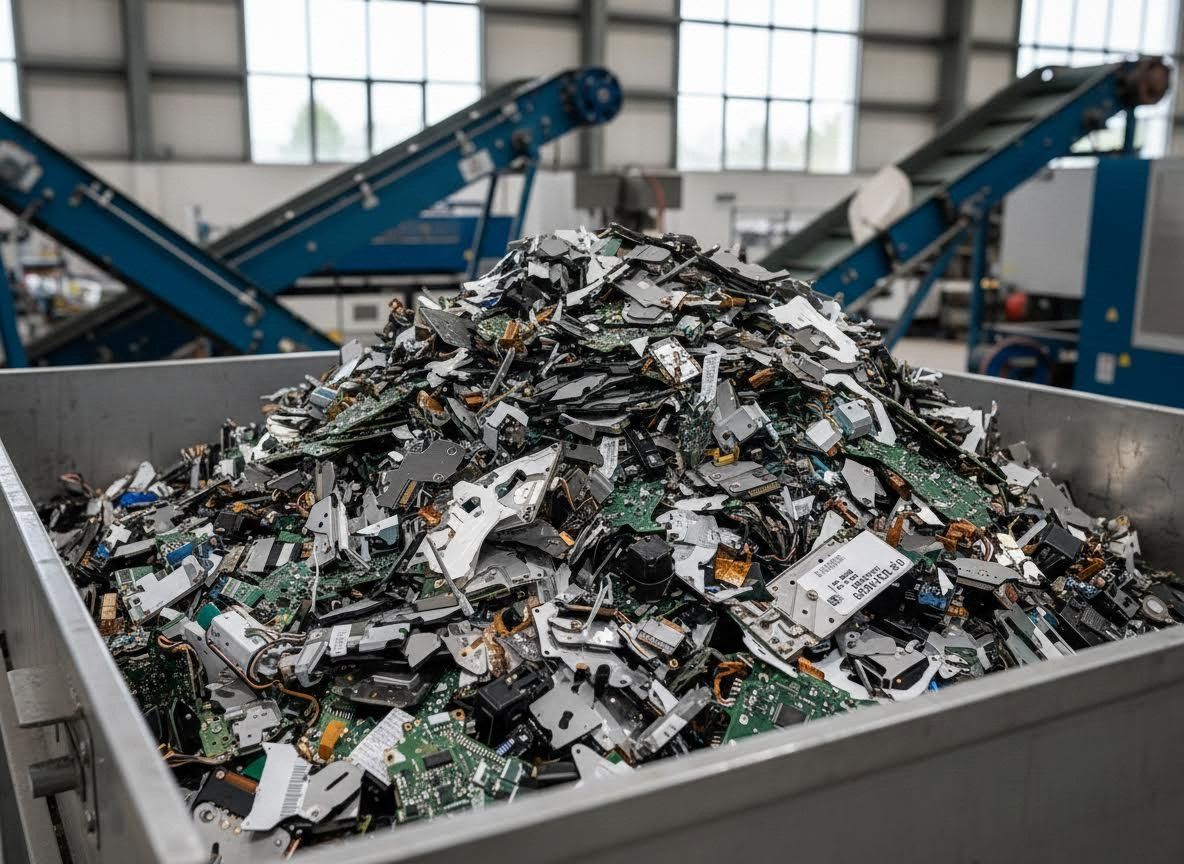
Industrial hard drive shredding involves powerful machinery designed to break down even the most robust storage devices into small, often indistinguishable fragments. These specialized shredders use rotating blades to systematically tear apart the drives, reducing them to pieces typically less than an inch in size. During this initial stage, the different materials within the hard drive – such as aluminum casings, steel components, and circuit board fragments – begin to separate due to their varying densities and properties. This process not only ensures complete data destruction but also prepares the mixed material stream for subsequent recovery efforts.
From Shreds to Resources: The Recycling Journey of Metals
Following the shredding process, the resulting mixed fragments are far from landfill material; they are valuable commodities ready for further processing. Advanced separation techniques, including magnetic and eddy current separators, are employed to isolate ferrous metals (like steel) from non-ferrous metals (such as aluminum and copper). Optical sorters and other specialized equipment can then further refine these streams, separating circuit board materials and other precious metals. Each distinct material is then prepared for its next life cycle: steel and aluminum are sent to smelters for remelting and fabrication into new products, while copper and other valuable elements are recovered and purified. This meticulous approach ensures maximum material recovery and minimizes environmental impact.
Partnering for Security and Sustainability
Choosing a reputable partner for your IT asset disposition is critical, especially when dealing with data-rich devices. A trusted electronics recycling company doesn't just shred hard drives; they provide a comprehensive solution that includes secure logistics, meticulous data destruction verification, and environmentally responsible downstream processing. For businesses in the Mid-Atlantic, finding a partner that specializes in secure data destruction in Baltimore ensures peace of mind.
Understanding what happens to physical scrap metal after industrial hard drive shredding highlights the intricate journey from secure data destruction to resource recovery. This process not only safeguards sensitive information but also contributes significantly to environmental sustainability by diverting valuable materials from landfills. BPAI LLC has built a 30-year reputation on providing businesses with secure, transparent, and environmentally responsible IT asset disposition solutions, ensuring that your data, budget, and the planet are prioritized. To learn more about our comprehensive approach to secure data destruction and electronics recycling, contact us today.